
24/7 Emergency Leak Detection and Repair Services – 727-239-0089
Slab leak detection in Clearwater FL means water leak detection for plumbing lines that run under a concrete foundation. These leaks stay out of sight, but they don’t stay harmless; they can raise your water bill, weaken floors, and keep feeding moisture into the building. Our licensed and insured team provides these services for single-family homes across Clearwater.
“They found the hidden leak fast, explained everything clearly, and kept the mess to a minimum. Huge relief.”
When we’re called out for a suspected slab leak, we focus on three things: the signs that point to hidden leaks, the least invasive way to pinpoint the location, and the most practical next steps once the leak is confirmed. We also rely on state-of-the-art thermal imaging early in the process because it helps us narrow the problem area without guessing.
A slab leak is an underground pipe leak in a water line that runs under a concrete slab. In many Clearwater homes, supply lines were routed under the concrete slab during construction. If one of those pipes fails, water can spread under the concrete and show up somewhere else, like a damp corner of flooring or a warm spot in tile.
Even a “small” leak can lead to downtime, cleanup, and a chain of calls across maintenance, vendors, and insurance.
Clearwater and Pinellas County have a few local factors that can make slab leaks more common:
For a broader explanation of how slab leak inspections are commonly approached in the Clearwater area, we like this overview of slab leak detection, it matches what property owners usually want most: clear answers and a tight scope.
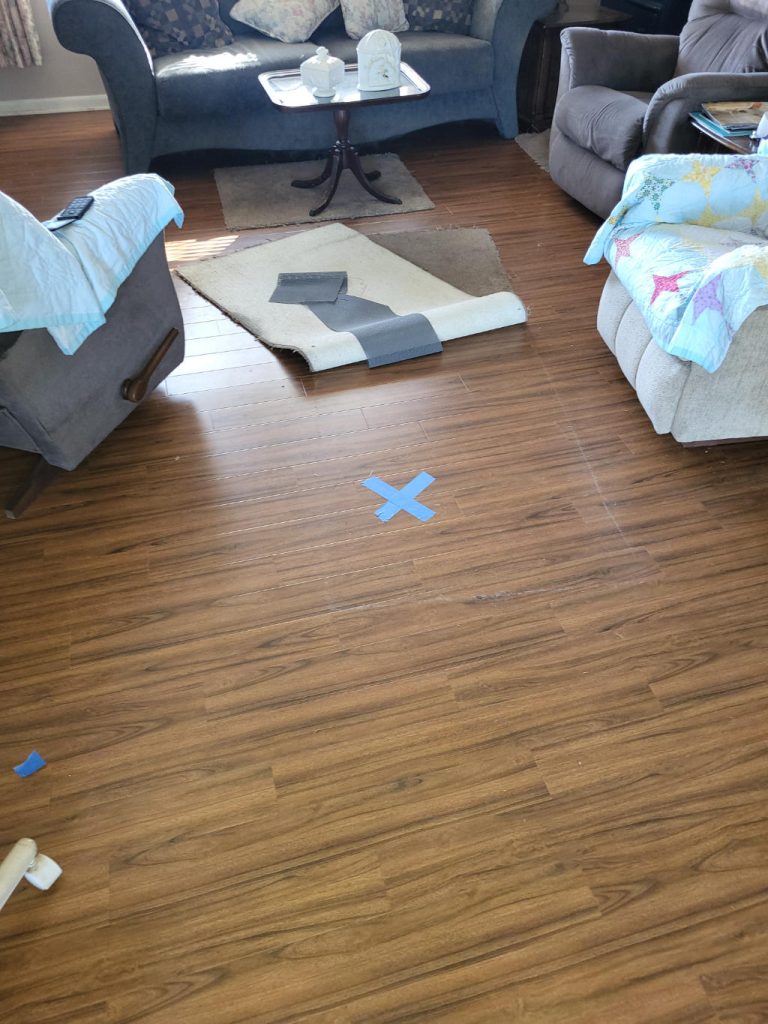
“We found the source of the moisture from a slab leak under the living room flooring in Clearwater using thermal imaging. Saved the homeowner from ripping up their entire floor.”
Most slab leaks come from a short list of issues that build up over time:
Pipe corrosion: Older metal lines can thin from the inside out, then form pinhole leaks.
Poor joints or fittings: A weak connection can seep for weeks before anyone spots it.
High water pressure: Pressure that runs high day after day can wear parts faster.
Shifting soil after storms: Tiny movements can stress pipes at bends and joints.
Pipe rubbing: Vibration or contact with concrete and rebar can slowly wear a spot thin.
Florida’s heat, humidity, and long wet seasons can speed up wear, especially when plumbing materials are already near the end of their lifespan.
A slab leak often feels like a “maybe,” until it becomes a “now.” Waiting doesn’t always mean disaster, but it usually means the repair area gets bigger and the building takes on more moisture than it needed to. This can compromise the building’s structural integrity and lead to foundation damage.
Here’s what we commonly see when a leak runs too long:
Early detection usually means less mess and a more targeted repair, even when the final fix is a reroute or re-pipe.
A slab leak rarely announces itself with a clear puddle in the middle of the room. It’s more like a slow drip in the dark; hidden leaks like these mean you notice the consequences before you see the cause.
One sign alone doesn’t prove a slab leak. A few signs together, especially across different categories (bill changes, pressure changes, and floor clues), should trigger a professional check.
Here’s a quick checklist we use when owners call:
For many Clearwater homeowners, the first clue is the monthly bill.
Common early plumbing and billing clues include:
Unexplained bill increases: If your habits didn’t change, the plumbing might have.
Meter activity when fixtures are off: A strong hint that water is flowing somewhere.
Low water pressure: Leaks can steal pressure, especially on longer runs.
Water heater cycling more often: Hot water slab leaks can make the system work overtime.
A safe DIY step we suggest before scheduling a visit:
If you’re dealing with a sudden change and can’t connect it to a fixture, our post on common causes of unexpected plumbing leaks can help you sort what’s urgent and what’s not.
Once water starts migrating, people notice changes in comfort and finishes. A slab leak can behave like a sponge under the building; it feeds moisture into materials that were meant to stay dry.
Signs people feel or see:
Warm spots on floors: Often tied to a hot water line leak under tile or concrete.
Running water sounds: From beneath the floor, even when no fixtures are running.
Damp spots in carpet or padding: Especially along edges, hallways, or near interior walls.
Buckling or lifting flooring from damp spots: Laminate and vinyl planks can react fast to moisture.
Loose tiles or failing grout: A common sign when moisture pushes upward.
Musty odors or mildew: Even if you don’t see visible mold yet.
New cracks: In grout lines, tile, or nearby drywall.
When our professional plumbers arrive for slab leak detection in Clearwater, we don’t start by breaking concrete. We start by confirming there’s a real leak with non-invasive methods, then narrowing the location so repairs stay as small as possible.
A typical visit looks like this:
1) Quick questions and a walkthrough
We ask what you’ve noticed, when it started, and where it shows up.
2) Meter and pressure checks
We verify whether the system is losing water through water leak detection and how the pressure behaves.
3) Targeted testing in the suspected zone
We use non-invasive leak detection equipment to narrow the search before any repair is discussed.
4) Pinpointing and marking
When conditions allow, we mark the most likely leak area so your plumber or repair crew isn’t guessing.
5) Clear next steps
We explain what we found, what we couldn’t confirm (if anything), and the repair paths that make sense for the building.
To help the visit go smoothly, we recommend:
If the leak feels urgent, especially with active water damage, our emergency leak detection services page explains how we prioritize fast response and low disruption across Pinellas County as part of our emergency plumbing services.
We rely on state-of-the-art thermal imaging because it gives us a fast, non-invasive look at temperature differences that can point to a hot water slab leak or moisture patterns near the surface. It’s not “x-ray vision,” but it can narrow a search from an entire room down to a smaller zone as part of electronic leak detection.
We also use acoustic listening equipment to hear the sound of pressurized water escaping. Think of it like a stethoscope for plumbing, it helps us track vibration through solid materials during sub-slab leak detection.
Using both methods together can tighten the result with electronic leak detection:
Results depend on conditions like flooring type, slab thickness, pipe depth, and how much background noise is present (HVAC equipment and traffic can matter). When conditions limit one method, we lean harder on the others rather than forcing a guess.
For readers who want a general view of “electronic leak detection” methods used in Clearwater, this page on electronic leak detection in Clearwater gives a useful high-level description of why modern locating tools help reduce unnecessary demolition.
Once a slab leak is confirmed and the likely location is narrowed, the next question is simple: what’s the smartest fix for this home? Note that these options apply to freshwater slab leaks, distinct from sewer line repair.
We usually see three main paths, and we talk through them in plain terms:
Spot repair
This is a targeted repair near the leak for underground pipe leaks. It’s often a good choice when the plumbing is in decent shape and the leak is isolated.
Repiping or re-route
If the system has repeat leaks, older materials, or multiple weak points, it can be better to bypass the failing section or replace more of the line, such as through epoxy pipe lining.
Pressure regulation
If water pressure is consistently high, adding or servicing a pressure regulator can reduce stress on the system. It won’t “fix” a failed pipe, but it can help prevent the next one.
Decision factors we weigh with you:
If you want a picture of how we approach leak issues across the county, including how we communicate findings and keep repairs contained, our overview of plumbing leak detection and repair in Pinellas County lays out what we do and what you can expect.
For general context on how leak detection services are described for Clearwater properties, you can also compare notes with this page on leak detection in Clearwater, FL. It lines up with what we see in the field: most owners want confirmation, location, and a repair plan they can act on quickly.
Slab leaks hide under concrete, but the clues show up in bills, pressure, and flooring. Clearwater’s rain, soil shifts, and older plumbing in parts of Pinellas County can make these leaks more likely over time, for homes across the area. When we catch them early, we can usually keep the repair area smaller and reduce moisture damage.
If you’re seeing a few warning signs, we recommend scheduling a slab leak detection visit so you can stop guessing. We use state-of-the-art thermal imaging and acoustic listening to locate leaks with as little disruption as conditions allow. Before you call, gather your most recent water bills, note where the signs appear, and write down when they started; it helps us move faster once we’re on-site. Contact professional plumbers for an inspection to address the issue promptly.
 (727) 239-0089